ABOUT ISLAND SPOTTED SKUNKS

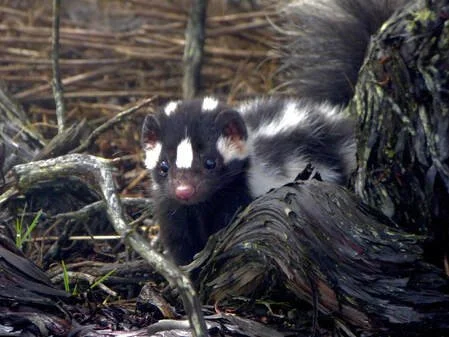
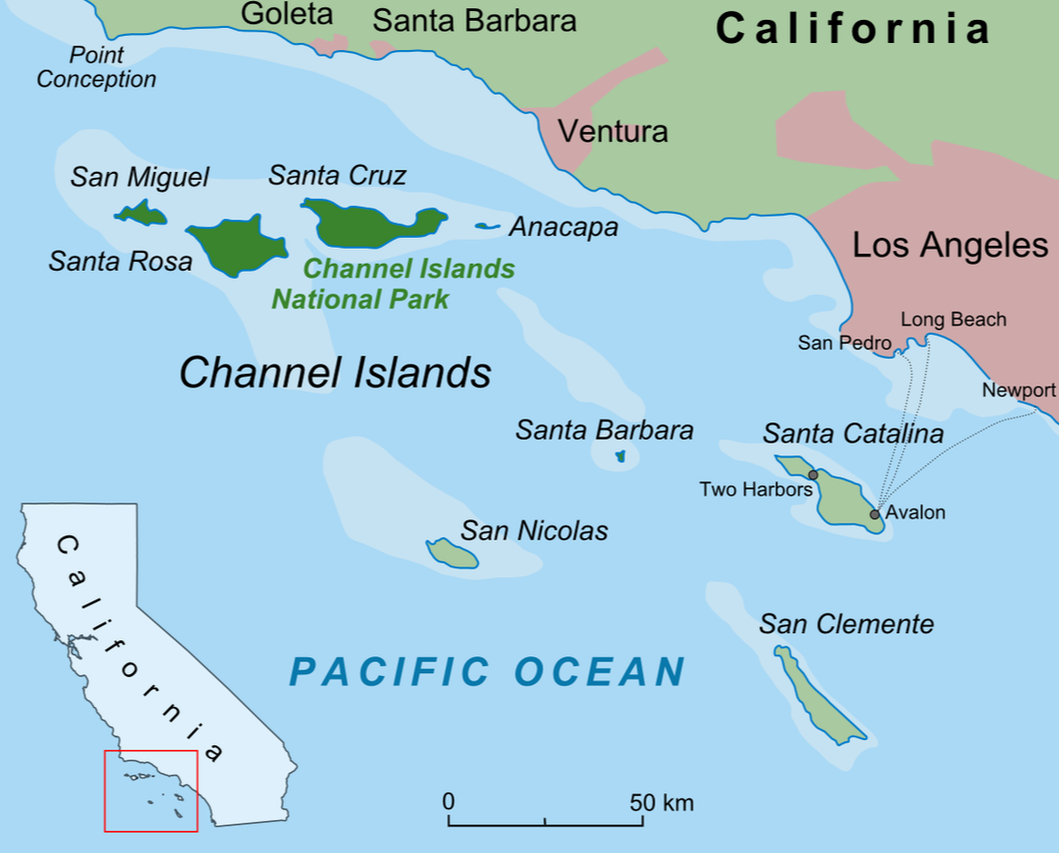
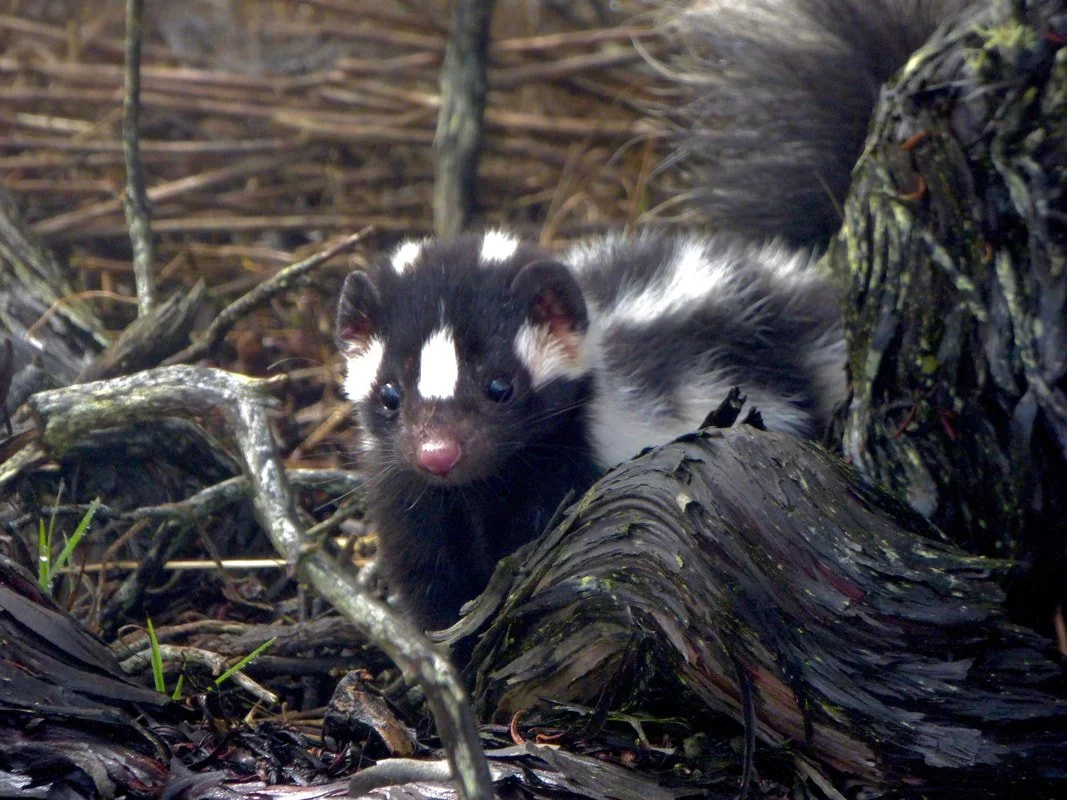
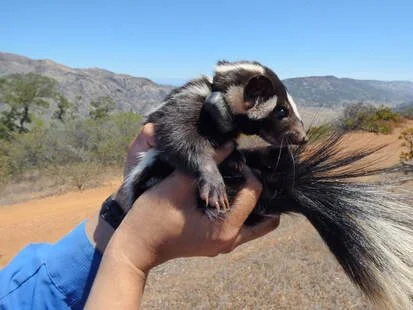
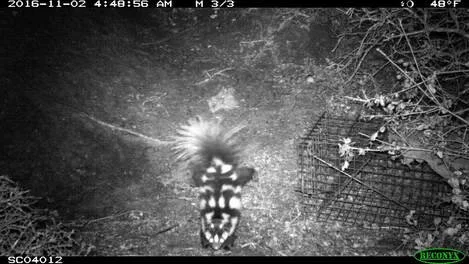
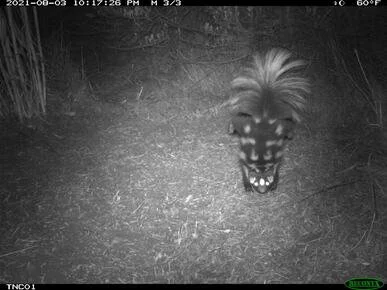
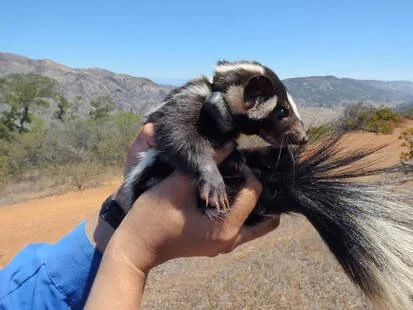
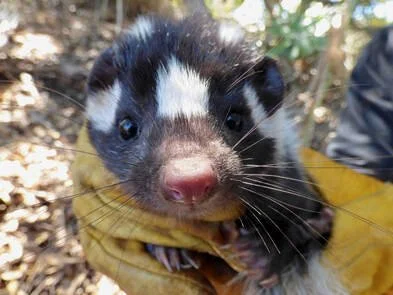
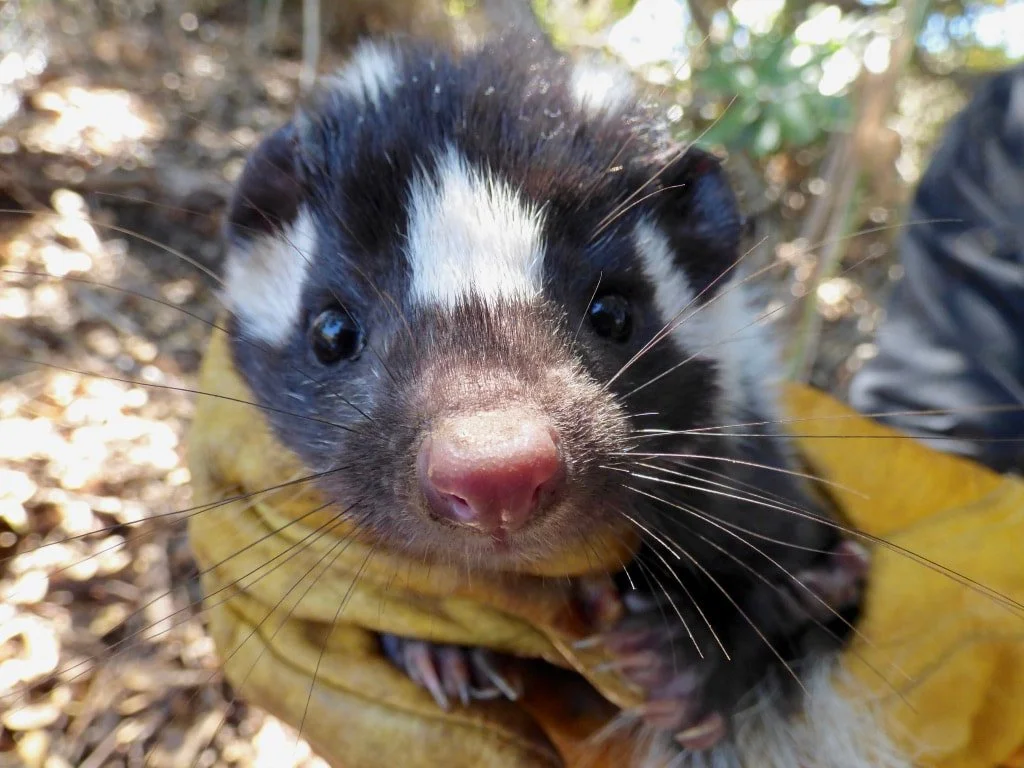
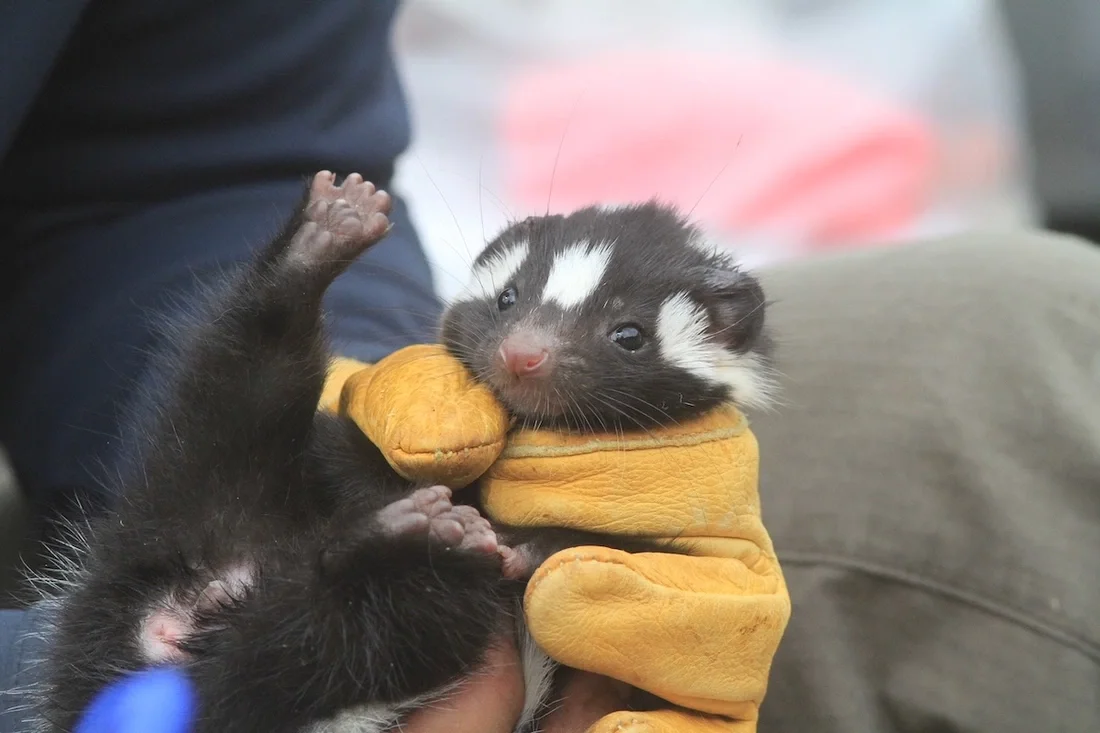
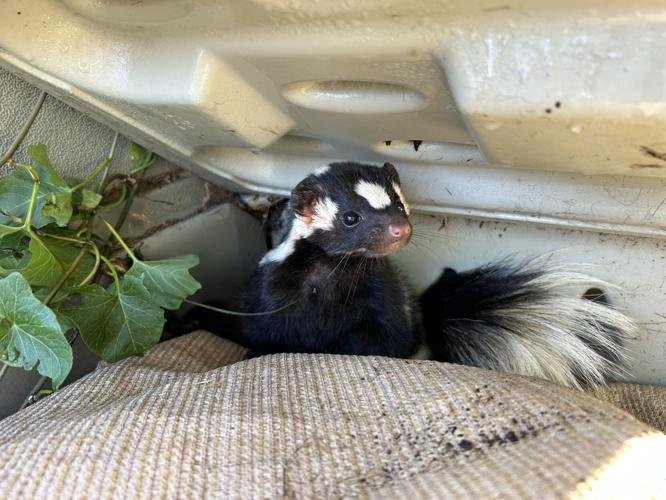
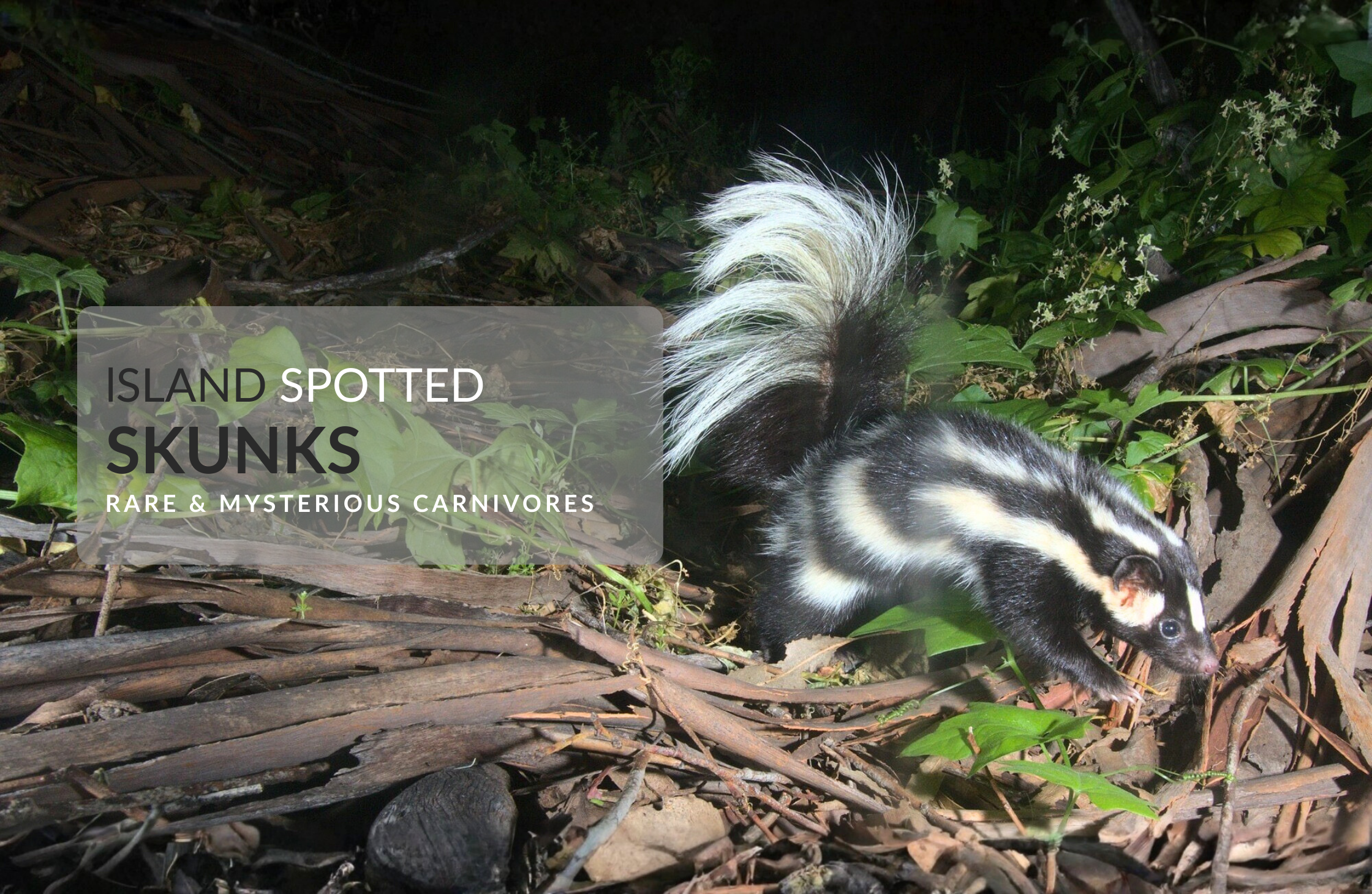
Island spotted skunks (Spilogale gracilis amphiala) are small carnivores that live only on Santa Cruz and Santa Rosa, two islands in the Channel Islands archipelago off the coast of California, USA. These striking, yet cryptic mammals may have also lived on nearby San Miguel Island, but haven't been seen there since the late 19th century. 

Spotted skunks probably colonized the Channel Islands over 9,000 years ago, when the sea level was lower than it is today.


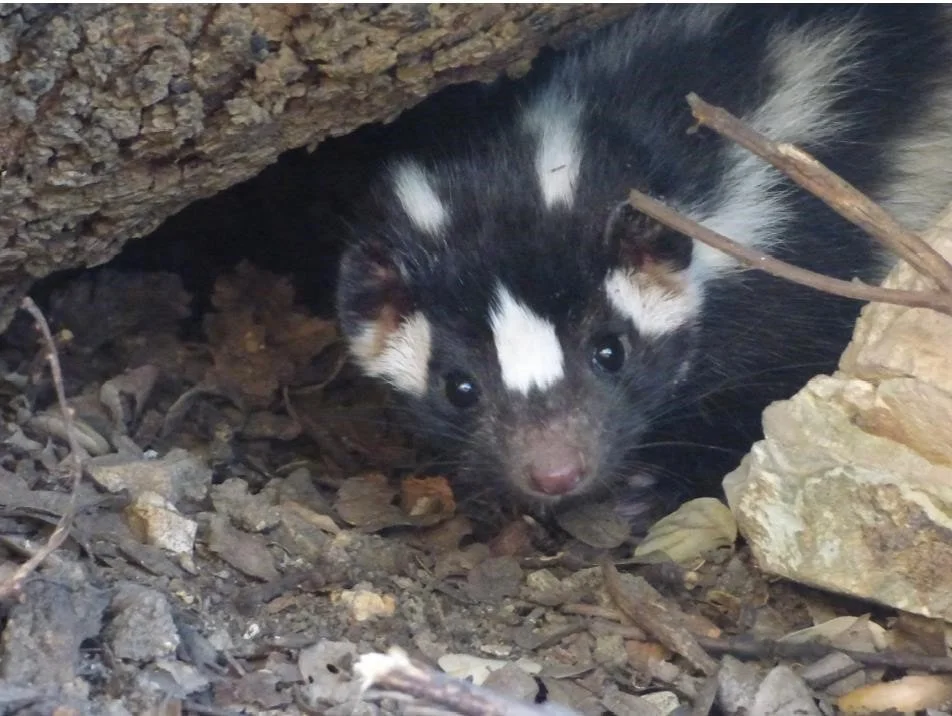
Photo by Calypso Gagorik

Projects

There's still so much to learn about island spotted skunks. Members of the Island Spotted Skunk Working Group are actively pursuing research that will help us conserve this cryptic mesocarnivore. Learn more about ongoing research here:

Forest Icon

HABITAT & ACTIVITY

LEARN MORE

HEALTH & DISEASE

LEARN MORE
Genetics

GENETICS

LEARN MORE
Diet

DIET & RESOURCES

LEARN MORE


About The Working GROUP

The Island Spotted Skunk Working Group is a forum for researchers, biologists, and land managers to exchange ideas, share research, collaborate on projects, and discuss relevant issues regarding the island spotted skunk. As of 2023, the Working Group is composed of 66 members representing 19 universities, five government agencies, and seven NGOs.

Resources

If you're interested in learning more about island spotted skunks, a number of resources, reviews, reports, and scientific publications can be found here:


Blog

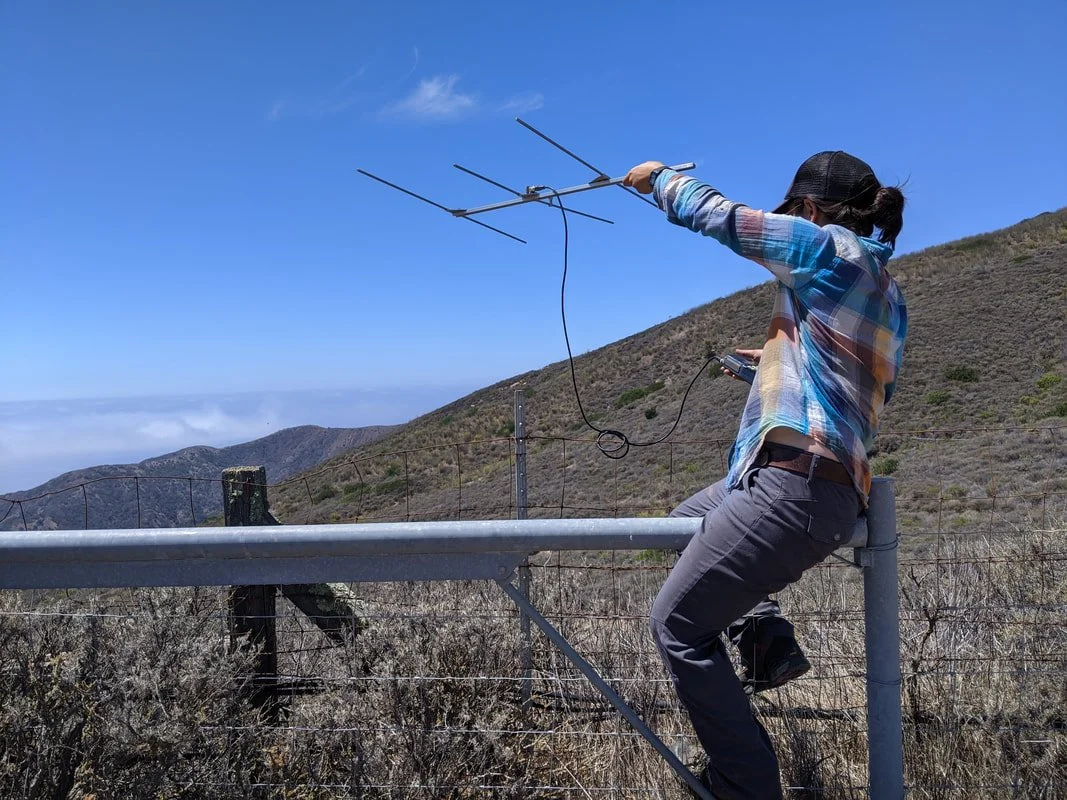
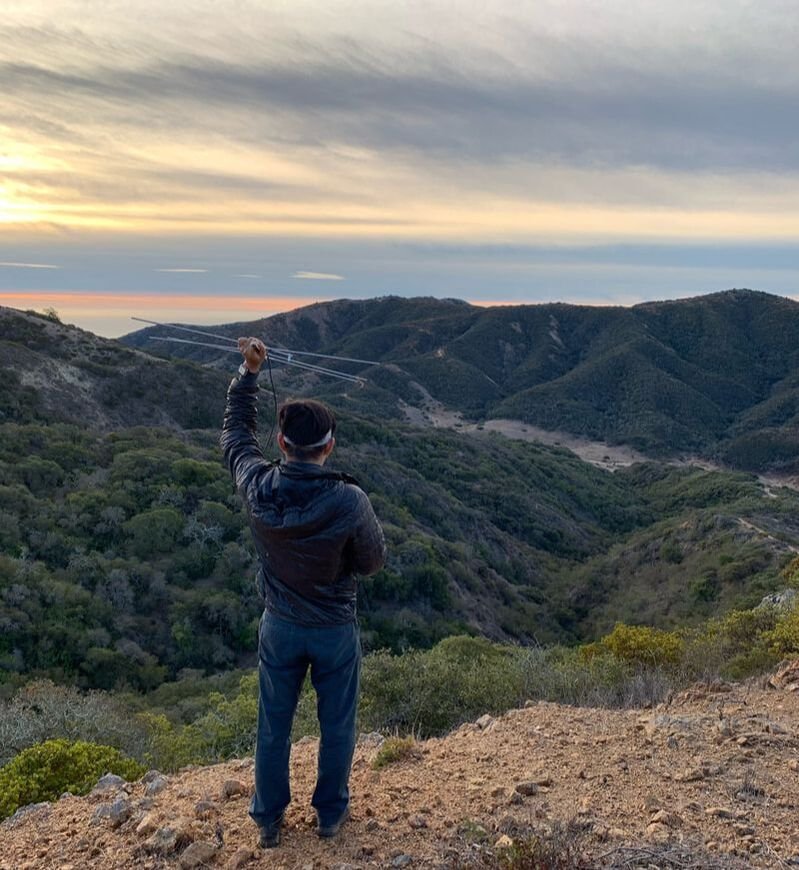
 In this video, island spotted skunk biologists place a new radio collar on a skunk captured near her den on Santa Cruz Island.


CONTACT US


ABOUT ISLAND SPOTTED SKUNKS


Photo by Calypso Gagorik

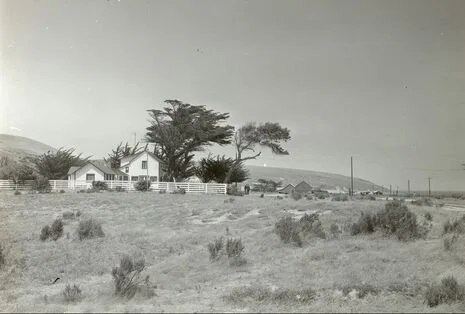
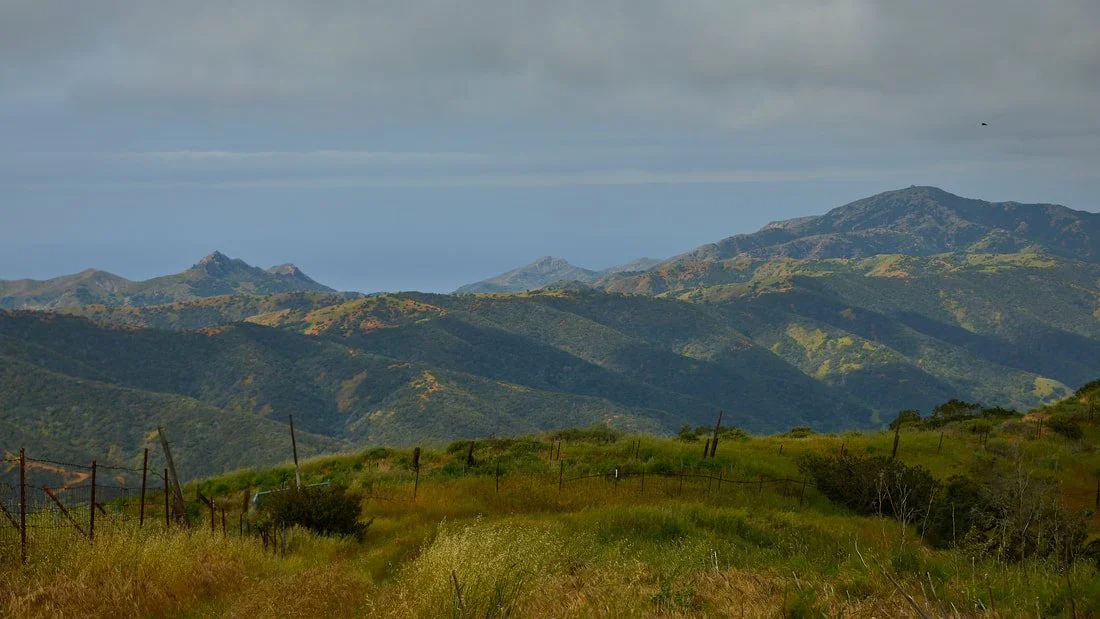
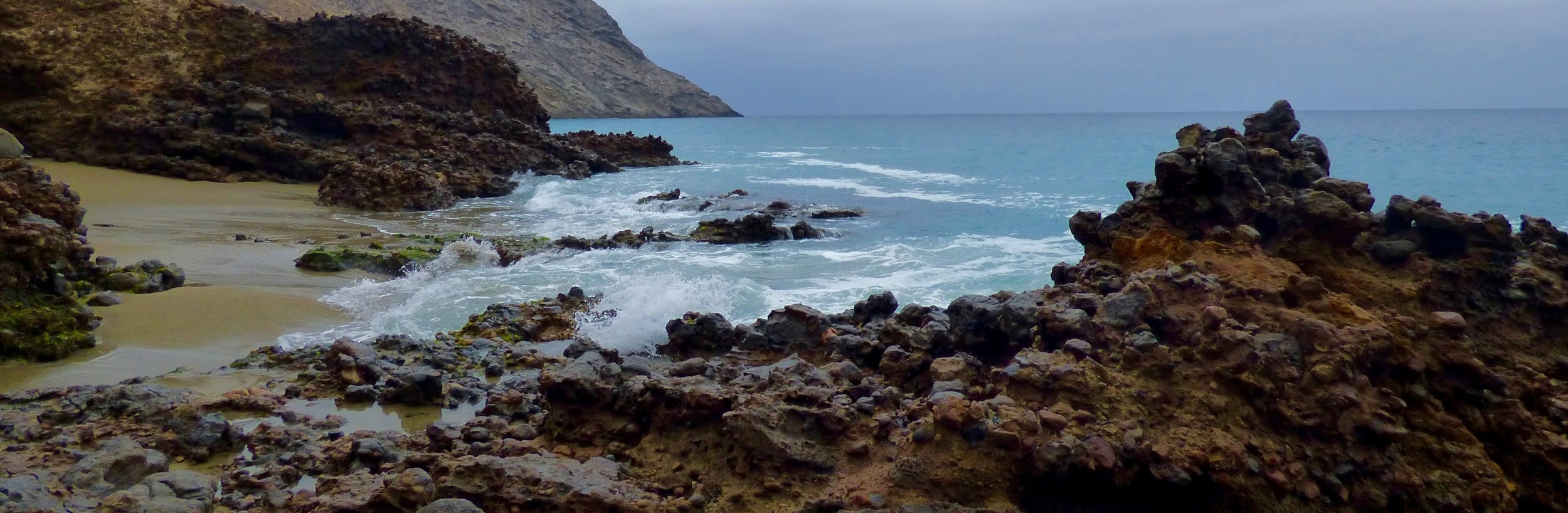
Historic ranch buildings on Santa Rosa Island. Photo courtesy of NPS.


GEOGRAPHIC RANGE

Island spotted skunks (Spilogale gracilis amphiala) are small carnivores that live only on Santa Cruz and Santa Rosa, two islands in the Channel Islands archipelago off the coast of California, USA. These striking, yet cryptic mammals may have also lived on nearby San Miguel Island, but haven't been seen there since the late 19th century.

Spotted skunks probably colonized the Channel Islands over 9,000 years ago, when the sea level was lower than it is today. Back then, Santa Cruz, Santa Rosa, San Miguel, and Anacapa Islands were connected, forming a super-island called Santarosae.

Scientists aren't sure how spotted skunks first reached Santarosae Island. Humans might have  brought them over on purpose thousands of years ago, or perhaps they drifted over from the mainland accidentally on debris after a storm. It seems unlikely that a tiny mammal could cross 6 or more miles of open ocean, but a single pregnant female skunk carried on a raft of vegetation would have been enough to start a new population on Santarosae.

Beginning in the 1850s, wildlife habitats on Santa Cruz and Santa Rosa islands were affected by intensive ranching, feral pigs, and introduced deer. But spotted skunks clung to existence on these islands, likely retreating to small patches of habitat that remained in steep, remote canyons. 

​By the mid-2000s, livestock and big game mammals had been removed from all three islands. Native vegetation and wildlife (like the island fox) began to recover. But for reasons scientists don't fully understand, island spotted skunks seem to be about as rare as they were in the early 1990s, when sheep, pigs, and deer still roamed the denuded islands.

NATURAL HISTORY

Spotted skunks are much smaller and more elusive than other, more familiar skunk species, like the striped skunk. Island spotted skunks only weigh between 400 - 800 grams (less than 2 pounds), while striped skunks may weigh up to 5 kg (or 11 pounds). When in danger, spotted skunks release an acrid scent that deters predators - but most people think it's not as pungent as a striped skunk's spray.

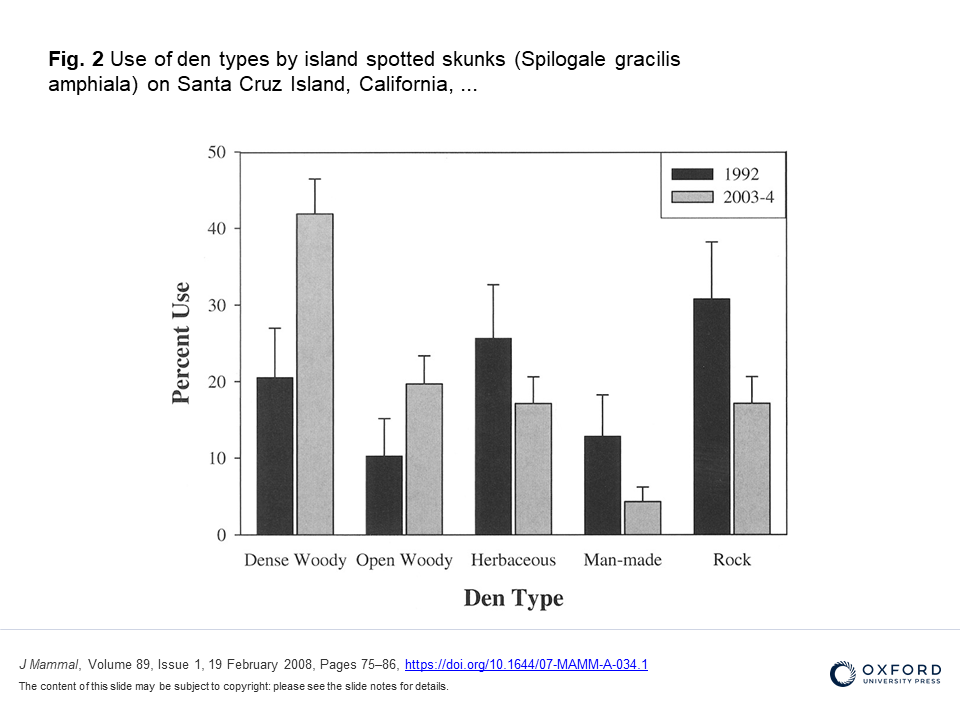
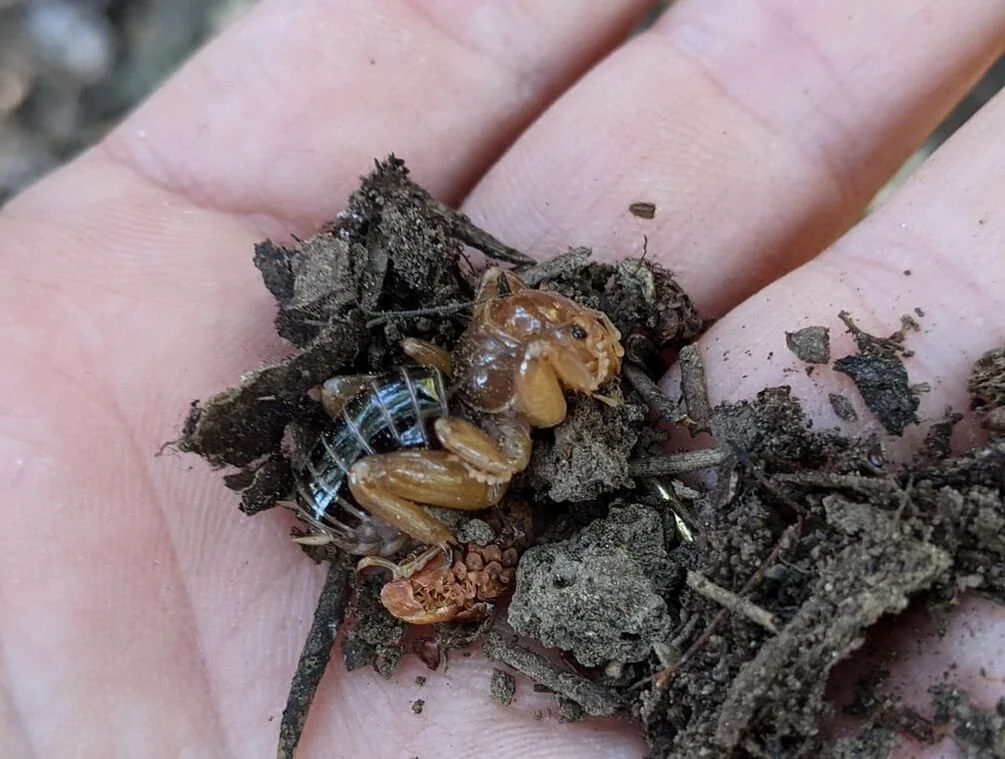
​Island spotted skunks mostly eat deer mice and insects like Jerusalem crickets. Recent studies have shown that island spotted skunks prefer habitats with dense vegetation and steep terrain, which may help them avoid their close competitor, the island fox. Island spotted skunks can dig their own dens, or use rock piles, hollow logs, tree roots, and other structures as homes.

Island spotted skunks are difficult to study, and not much is known about their breeding habits, population structure, or interactions with other endemic island species.

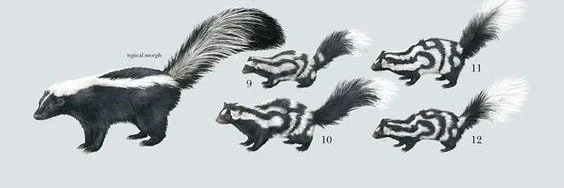
Striped skunk (left) vs four species of spotted skunk (right). From Handbook of the Mammals of the World, Volume 1.


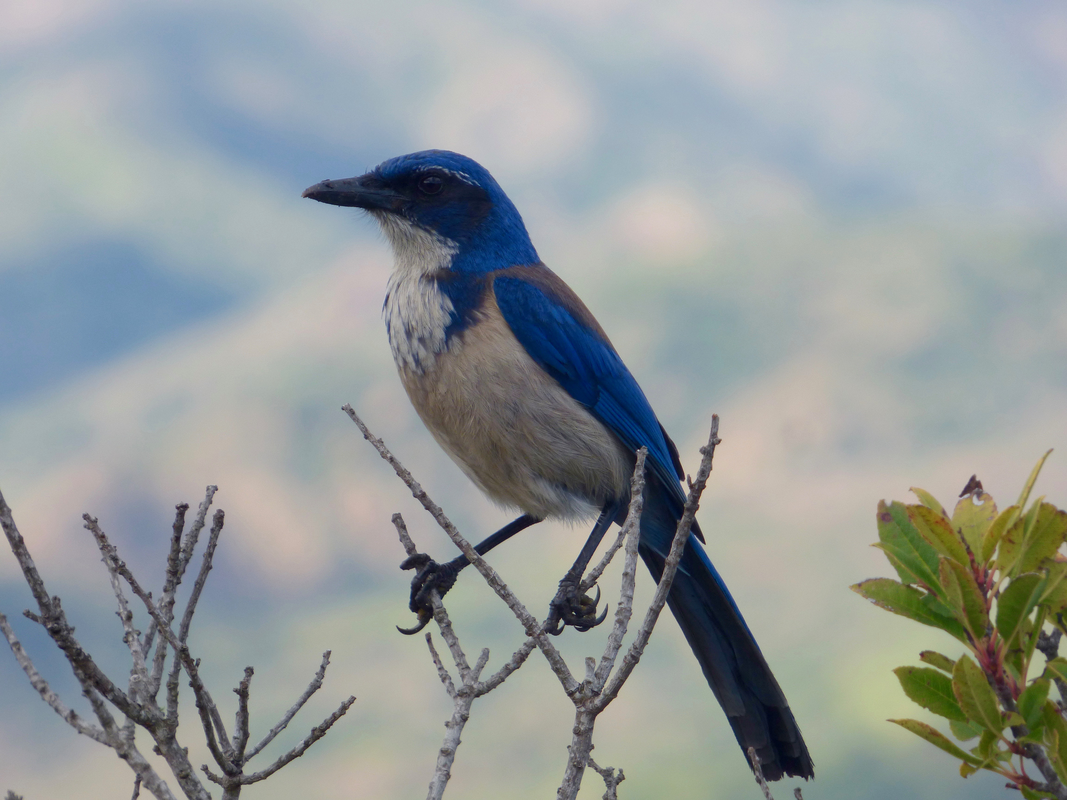
Island Scrub Jay

Jerusalem Cricket

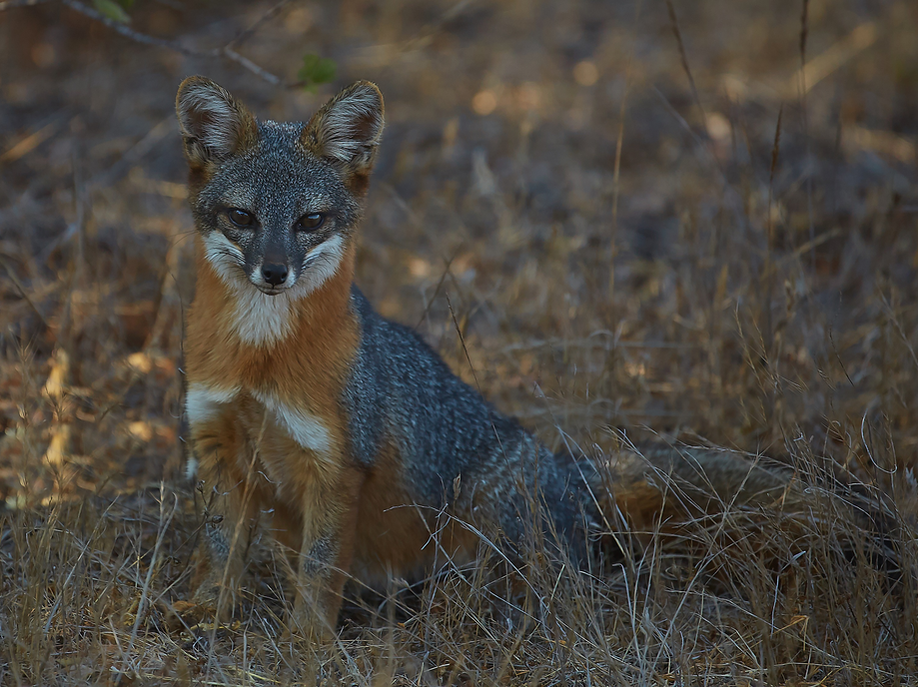
Island Fox

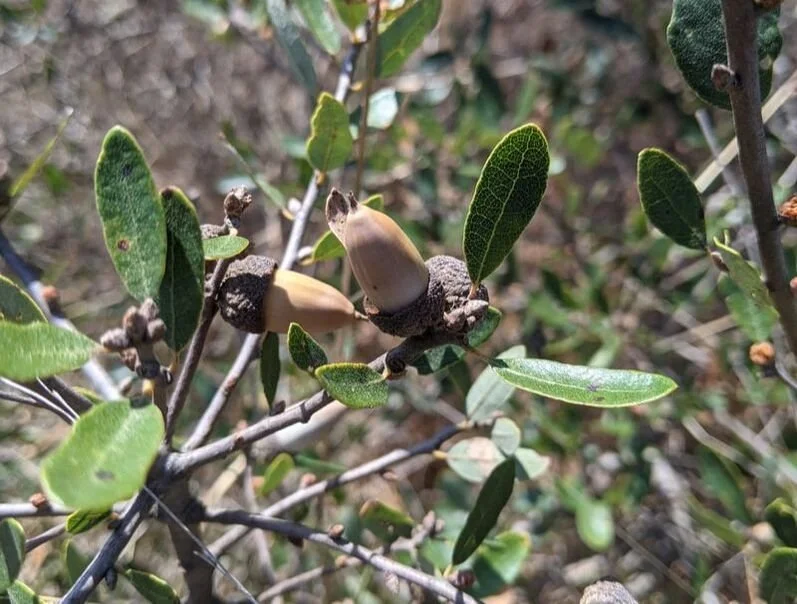
Island Scrub Oak

Photo by Calypso Gagorik

POPULATION STATUS

The island spotted skunk might be one of the world's rarest carnivores. The entire population is restricted to two California Channel Islands with a combined area of less than 500 km². Their exact population size is uncertain, but in 2020, biologists estimated that there were fewer than 1,000 individual island spotted skunks in the wild. During recent biological surveys, skunk trapping success was between 1 - 4%. Island spotted skunks are currently listed as a Subspecies of Special Concern by the California Department of Fish and Wildlife.

 POTENTIAL THREATS

Island spotted skunks occur entirely on protected land owned by the National Park Service and The Nature Conservancy. However, because of their restricted range, island spotted skunks are still vulnerable to environmental events like wildfire and drought. Their limited genetic variability may also make them susceptible to infectious disease.

Other potential threats to island spotted skunks are not well understood. Although island vegetation has recovered substantially in the last 20 years, some changes caused by human land-use are persistent. Erosion, invasive annual grasses, and climate change have and will continue to alter the island landscape, including areas of critical skunk habitat. 

Competition with island foxes may also have contributed to apparent skunk declines in the past several years. Between 2000 - 2010, when island foxes were very rare, skunk populations appeared to increase dramatically. Now that fox populations have recovered on both islands, skunks aren’t seen as often during surveys. Future management actions will focus on maintaining the conditions that allowed these two endemic carnivores to coexist for at least 7,000 years.

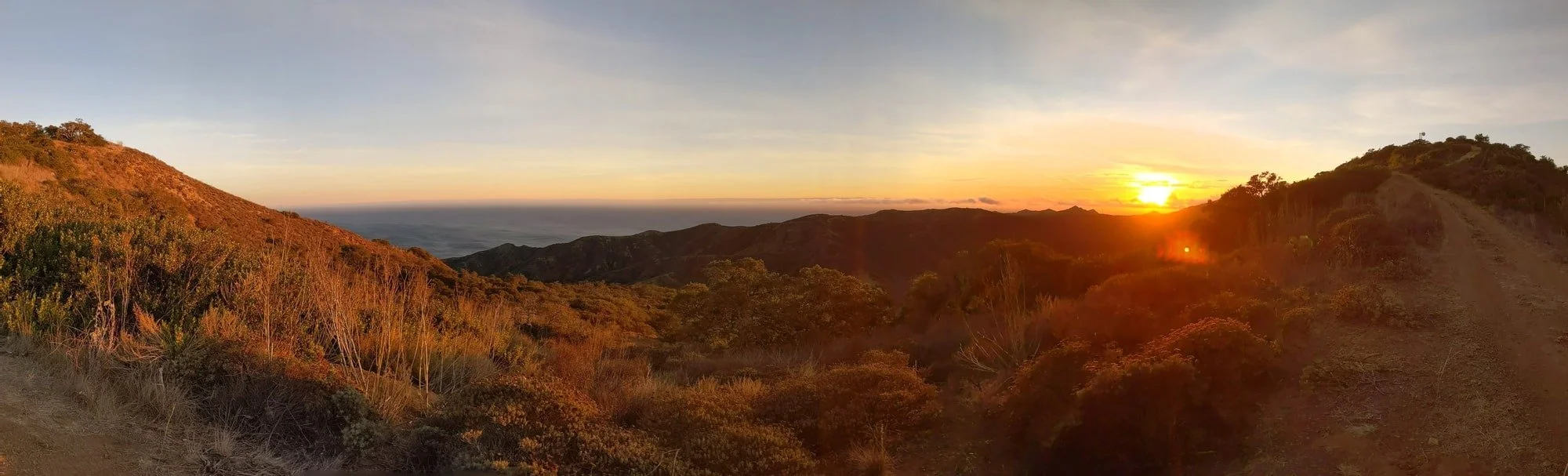
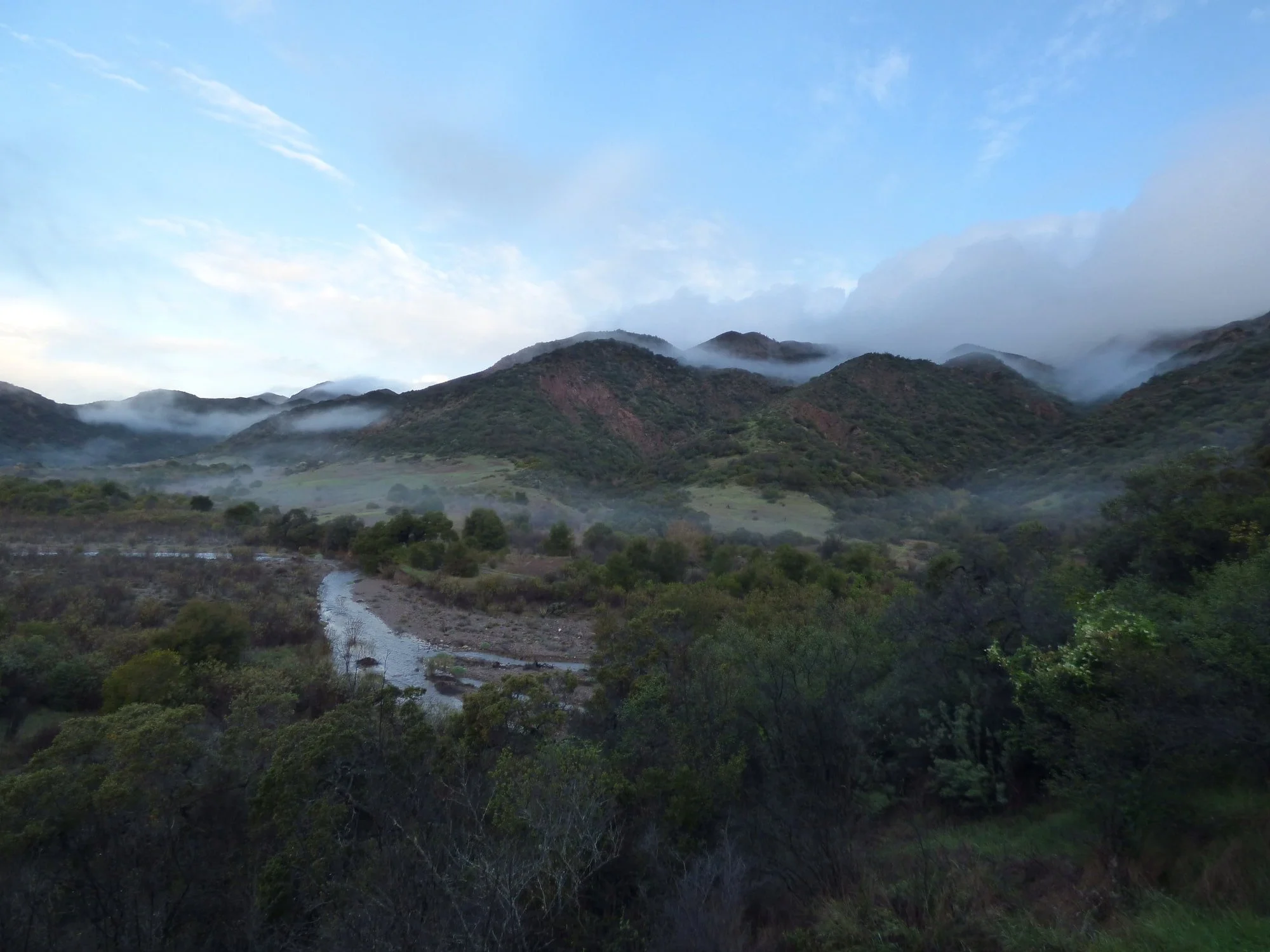
Santa Cruz landscape, with non-native grasses in the foreground and native chaparral vegetation in the background. Photo by Gary Andrews

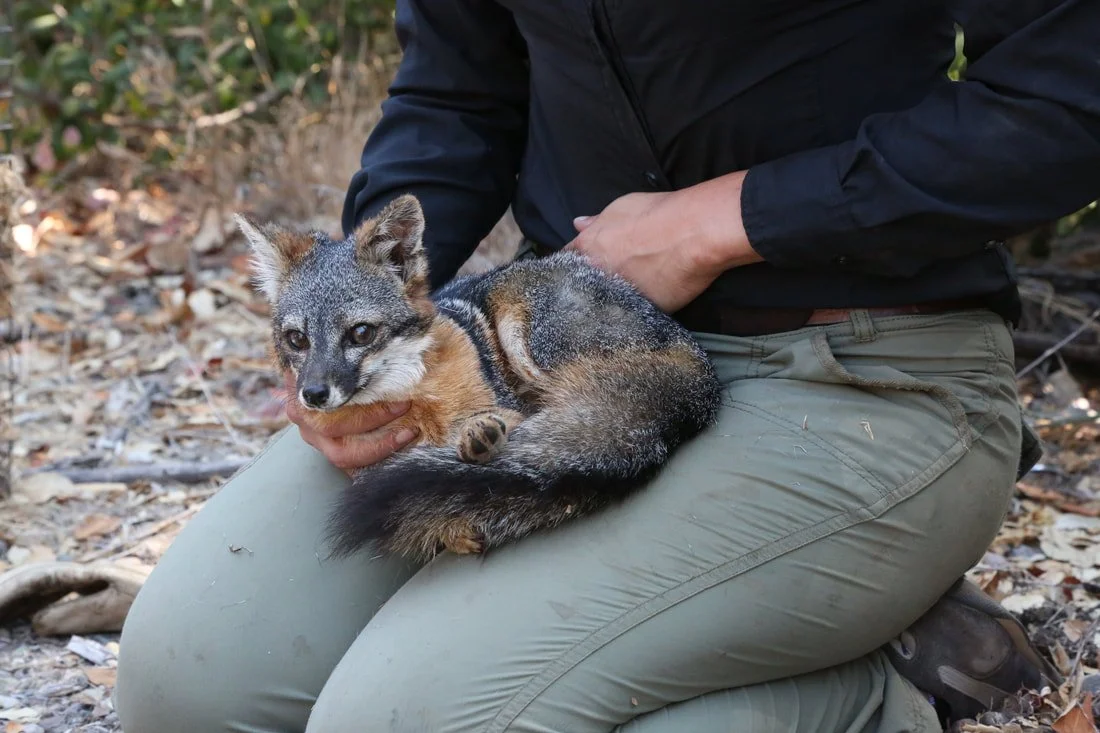
An island fox receives a health check-up from a wildlife biologist. Photo courtesy of The Nature Conservancy

 FOR MORE INFORMATION ON ISLAND SPOTTED SKUNKS:

Island Spotted Skunk Conservation Plan and other Selected Publications

  • Island Spotted Skunk (NPS.gov)

  • Island Spotted Skunk - Santa Rosa (Institute for Wildlife Studies)

ABOUT The WORKING GROUP


Photo by Calypso Gagorik

Who We Are

The Island Spotted Skunk Working Group is a forum for researchers, biologists, and land managers to exchange ideas, share research, collaborate on projects, and discuss relevant issues regarding the island spotted skunk. As of 2023, the Working Group is composed of 66 members representing 19 universities, five government agencies, and seven NGOs.

Photo by Calypso Gagorik

 OUR GOALS

The goals of the Island Spotted Skunk Working Group are to:

  • Enhance communication about the island spotted skunk

  • Identify management, research, and resource priorities

  • ​Facilitate collaborative planning, funding, outreach, monitoring, and research opportunities

RESOURCES


ISLAND SPOTTED SKUNK CONSERVATION PLAN

 The Island Spotted Skunk Conservation Plan was developed following discussion by members of the nascent Island Spotted Skunk Working Group at a meeting in Ventura, California on January 16th and 17th, 2020. This document is adapted from a similar plan developed by the Eastern Spotted Skunk Cooperative Study Group. In 2021 and 2022, the plan was updated to incorporate new research and findings from the past year of skunk work.

Primary goals of the document include: 1) to summarize what is known about the island spotted skunk and its current status; and 2) to identify the knowledge gaps that should be the target of future research, monitoring, and management actions to advance island spotted skunk conservation.

Recommended citation:
Island Spotted Skunk Working Group. (2022). Island Spotted Skunk Conservation Plan. Accessed [Date] from islandspottedskunks.com.


SELECTED ISLAND SPOTTED SKUNK PUBLICATIONS

Gagorik, C. N., Theimer, T. C., Crooks, K. R., & Boser, C. L. (2024). Space use and den visitation by the island spotted skunk and island fox. The Southwestern Naturalist68(1), 35-46.

Boychuck, S. P., Brenner, L. J., Gagorik, C. N., Schamel, J. T., Baker, S., Tran, E., vonHoldt, B. M., Koepfli, K. P., Maldonado, J. E., & DeCandia, A. (2024). The gut microbiomes of Channel Island foxes and island spotted skunks exhibit fine-scale differentiation across host species and island populations. Ecology and Evolution, 14:e11017

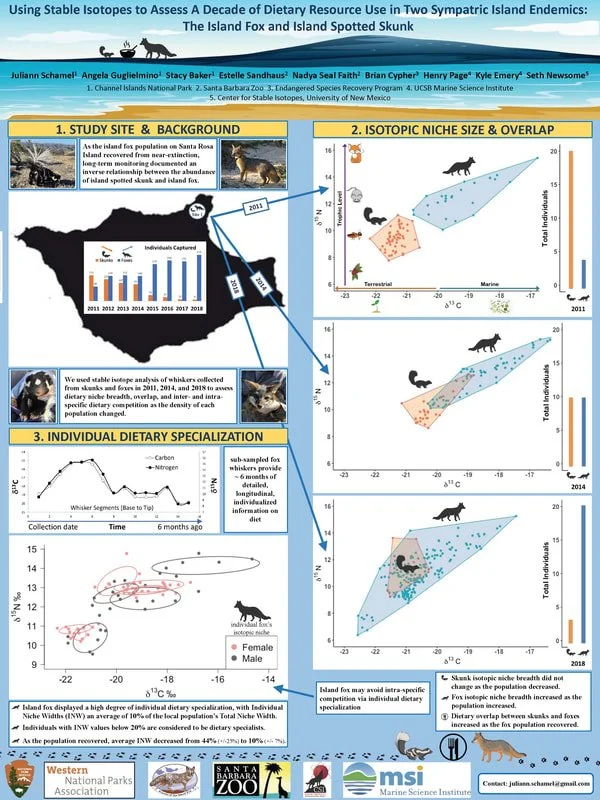
Schamel, J., Guglielmino, A., Baker, S., Sandhaus, E., Seal Faith, N., Cypher, B., Page, H., Emery, K., and S. Newsome. (2023).  Using stable isotopes to assess a decade of dietary resource use in two sympatric island endemics: the island fox and island spotted skunk.  California Islands Symposium; November 8, 2023; Ventura, CA.

Brenner, L. J. & Little, A. (2022). The rarest of the rare: despite ecosystem improvements, island spotted skunk numbers remain low. The Wildlife Professional, September/October 2022.

Zhang, V. Y., Gagorik, C. N., Brenner, L. J., Boser, C. L., Theimer, T. C., & Buck, C. L. (2022). Interspecific asymmetries in behavioral plasticity drive seasonal patterns of temporal niche partitioning in an island carnivore community. Integrative and Comparative Biology, icac113

Tran, E. (2022). A comparative analysis of Santa Cruz Island fox and island spotted skunk microbiomes. Senior thesis, Department of Ecology and Evolutionary Biology, Princeton University.

Bolas, E. C., Quinn, C. B., Van Vuren, D. H., Lee, A., Vanderzwan, S. L., Floyd, C. H., Jones, K. L., Shaskey, L., & Sacks, B. N. (2022). Pattern and timing of mitochondrial divergence of island spotted skunks on the California Channel IslandsJournal of Mammalogy, gyac008

Bolas, E. C., Sollmann, R., Crooks, K. R., Boydston, E. E., Shaskey, L., Boser, C. L., Dillon, A., & Van Vuren, D. H. (2021). Role of microhabitat and temporal activity in facilitating coexistence of endemic carnivores on the California Channel IslandsJournal of Mammalogy, 103(1), 18-28.

Bolas, E. C., Sollmann, R., Crooks, K. R., Shaskey, L., Boser, C. L., Bakker, V. J., Dillon, A., & Van Vuren, D. H. (2020). Assessing methods for detecting island spotted skunks. Wildlife Society Bulletin, 44(2), 309-313.

Gagorik, C. (2020). Spatial Use Patterns and Management Recommendations for Two Endemic California Channel Island Mesocarnivores, the Island Spotted Skunk (Spilogale gracilis amphiala) and the Island Fox (Urocyon littoralis) (Master's thesis, Northern Arizona University).

Bolas, E. (2020). Ecology and Conservation of Island Spotted Skunks: Understanding Microhabitat Associations and Techniques for Monitoring (Master's thesis, University of California, Davis).

Jones, K. L., Van Vuren, D. H., McEachern, M. B., Crooks, K. R., Dragoo, J. W., & May, B. (2013). Spatial and genetic organization of the island spotted skunk, Spilogale gracilis amphialaThe Southwestern Naturalist58(4), 481-486.

Floyd, C. H., Van Vuren, D. H., Crooks, K. R., Jones, K. L., Garcelon, D. K., Belfiore, N. M., ... & May, B. (2011). Genetic differentiation of island spotted skunks, Spilogale gracilis amphialaJournal of Mammalogy92(1), 148-158.

Jones, K. L., Crooks, K. R., & Van Vuren, D. H. (2008). Sudden increase in a rare endemic carnivore: Ecology of the island spotted skunk. Journal of Mammalogy89(1), 75-86.

Bakker, Victoria J., Dirk H. Van Vuren, Kevin R. Crooks, Cheryl A. Scott, Jeffery T. Wilcox, and David K. Garcelon. Serologic survey of the island spotted skunk on Santa Cruz Island. Western North American Naturalist 66, no. 4 (2006): 456-461.

Crooks, K. R., Garcelon, D. K., Scott, C. A., Depue, J. E., Wilcox, J. T., Kimsey, R. B., & Van Vuren, D. H. (2004). Ectoparasites of a threatened insular endemic mammalian carnivore: the island spotted skunk. The American Midland Naturalist151(1), 35-41.

Crooks, K. R., Garcelon, D. K., Scott, C. A., Wilcox, J. T., Timm, S. F., et al. (2003). Hematology and serum chemistry of the island spotted skunk on Santa Cruz IslandJournal of Wildlife Diseases39(2), 460-466.

Collins, P.W. 1998. Channel Islands spotted skunk, Spilogale putorius amphialia. Terrestrial Mammal Species of Special Concern, Bolster, B.C., Ed., 144-147.

Crooks, K., & Van Vuren, D. (1995). Resource utilization by two insular endemic mammalian carnivores, the island fox and island spotted skunk. Oecologia, 104, 301-307.

Crooks, K. (1994). Demography and status of the island fox and the island spotted skunk on Santa Cruz Island, California. The Southwestern Naturalist39(3), 257-262.

Crooks, K. (1994). Den-site selection in the island spotted skunk of Santa Cruz Island, California. The Southwestern Naturalist39(4), 354-357.

PROJECTS

 There's still so much to learn about island spotted skunks. Members of the Island Spotted Skunk Working Group are actively pursuing research that will help us conserve this cryptic mesocarnivore.

DETECTABILITY AND ABUNDANCE

The UCSB-Smithsonian Scholars Program: Machine Learning and Edge Computing for Island Spotted Skunks on Santa Cruz Island

Photo by Cristina Soto Balderas

Project Leads: Mario Castellanos (UCSB), Cristina Soto Balderas (UCSB) and Alex White (Smithsonian Institute)

Question(s)Can machine learning and edge computing be used with camera trap technology to determine the population density of the endemic Island spotted skunk?

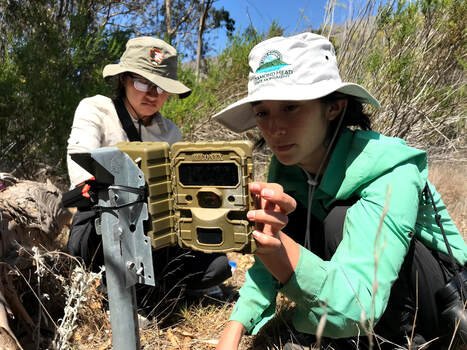
Methods: Undergraduate researchers in the UCSB-Smithsonian Scholars Program deployed 22 Reconyx camera traps to capture the endemic spotted skunks' distinctive black-and-white fur pattern in 11 key habitat locations on Santa Cruz Island in the Fall 2017. Students learn field research methods and employ data science techniques, machine learning, and edge computing to assess the population density of the spotted skunks.

​Results: N/A

Impact and Next Steps: Future steps include analyzing the data to understand the distribution and density of spotted skunks and contribute to the conservation of this unique species. 

Collaborators and Funding: UCSB Office of Education Partnerships, Center for Conservation Genomics at the Smithsonian’s National Zoo and Conservation Biology Institute, Smithsonian Data Science Lab, The National Park Service Southern California Research Learning Center, The Nature Conservancy. The UCSB-Smithsonian Scholars Program received federal support from the Latino Initiatives Pool administered by the Smithsonian Latino Center.

Status (Completed/Ongoing):
Ongoing


​Assessing Methods for Detecting Island Spotted Skunks on Santa Cruz and Santa Rosa Islands

Project Lead: Ellie Bolas, University of California, Davis

Question(s): In 2015, there was no formal monitoring program for island spotted skunks. However, skunks were captured incidentally in traps set to monitor island foxes and captures of skunks appeared to have declined. This prompted three questions:
1) What are best practices for monitoring for island spotted skunks? Is annual monitoring for island foxes using fox traps a reliable means of monitoring island spotted skunks?
2) What is the general population status of island spotted skunks?
3) Is there seasonal variation in skunk detections?

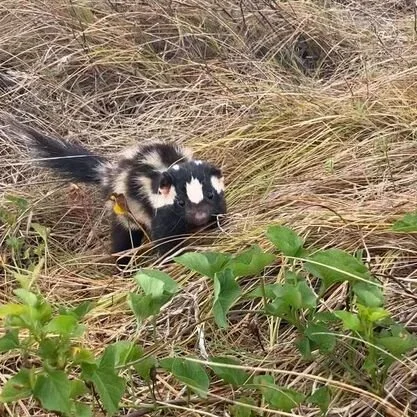
Methods: We superimposed wildlife cameras at fox traps in 2016 and 2017 on both islands and compared skunk detection rates with the two methods. Cameras were in place for 6 months through the summer, fall and early winter, overlapping the season of fox trapping (summer/fall).

Results: On both islands, detections rates of skunks in either traps or cameras during the summer were similar and very low, with ≤ 1 detection / 100 operating nights, giving confidence in either method for monitoring during that season. However, detections using cameras in 2017 increased from summer to early winter, suggesting that fall/winter may be the most effective season for monitoring skunks.

Impact and Next Steps: Consistently low detection rates for island spotted skunks across both traps and cameras (<1/100 operating nights) suggest that skunks are rare on both islands. This low detection rate is comparable with other spotted skunk populations that are being given consideration for endangered status at the state or federal level. Next steps include refining estimates of skunk populations using either island-wide occupancy estimations or mark-resight estimations with identification of individual pelage patterns.
Collaborators and Funding: Channel Islands National Park; The Nature Conservancy; The National Park Service Southern California Research Learning Center; University of California, Davis, Graduate Group in Ecology Student Endowment; Friends of the Island Fox; University of California, Davis Graduate Group in Ecology Fellowship; National Science Foundation Graduate Research Fellowship

Status: Completed

​HABITAT AND ACTIVITY

Occupancy Modeling of Island Spotted Skunks on Santa Rosa and Santa Cruz Islands

Photo by Desirae Thomaier

Project Lead: Desirae Thomaier, Cal Poly San Luis Obispo

Question(s):

1. What are island-wide skunk occupancy estimates for Santa Cruz and Santa Rosa?

2. Which predictors (e.g. vegetation type, cover, fox detections) have differential effects on skunk occupancy probabilities?

Methods: In the summer of 2023 I installed 49 cameras across Santa Rosa and 45 across Santa Cruz Island, which will be in continuous operation for a year to capture seasonal differences in skunk detectability. These cameras sites were selected based on 2.5km2 skunk home range-sized hexagons to ensure site-level independence. Cameras were placed preferentially in canyons and drainages to minimize false zeroes (nondetections) due to the cryptic, specialized nature of skunk movement.   

Results: N/A

Impact and Next Steps: These results could inform managers about island-wide spatial and habitat priorities for island spotted skunks. Combined with recent genetic research and the very limited range of this island endemic, next steps could include species classification for conservation and more intensive monitoring. A better understanding of the biotic and abiotic factors constraining skunk populations is necessary for managers and researchers to determine if recent population shifts are due to a natural, competition-driven equilibrium of low skunk abundance, or if this is a trend towards extinction. 

Collaborators and Funding: California Polytechnic University, SLO; The Nature Conservancy; The National Park Service

Status: Ongoing

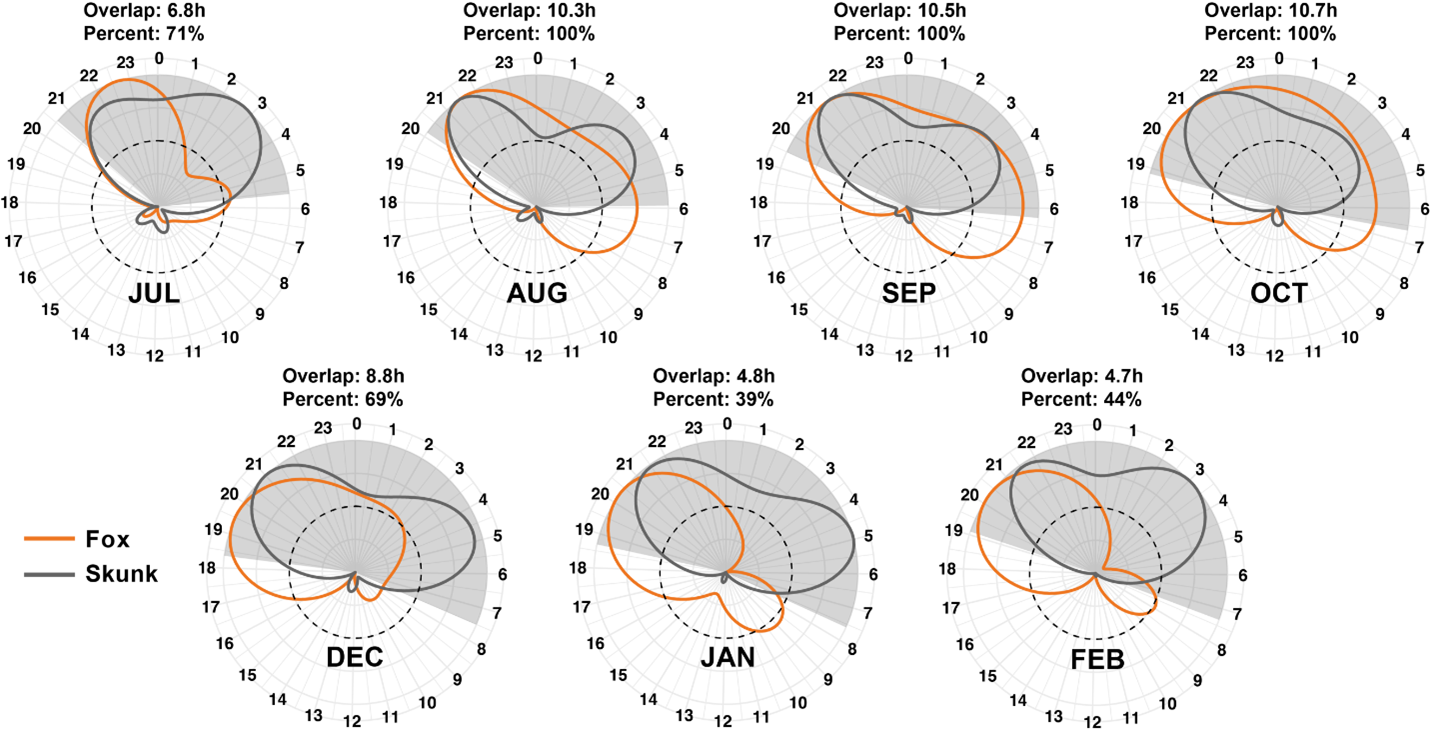
Assessing seasonal activity patterns of island spotted skunk and island fox using remote cameras

Project Lead: Juliann Schamel, National Park Service

Question(s):

1. What are the seasonal activity patterns, peak activity times, and activity overlap of island spotted skunk and island fox, and are there interannual variations in these patterns?

2. How have activity patterns of island spotted skunk and island fox changed in response to the Scorpion Fire on Santa Cruz Island?

Methods: On Santa Rosa Island, we are using the Date/Time stamps on 10 remote cameras which have been operating continuously from October 2018 to present to assess seasonal activity patterns of island spotted skunk and island fox.  This project will expand in 2021 with the addition of 25 more cameras. On Santa Cruz Island, we are using Date/Time stamps on 24 remote cameras to assess activity patterns of island spotted skunk and island fox inside (12 cameras) and outside (12 cameras) the burn footprint of the 2020 Scorpion Fire.  These cameras were operating from February through May of 2021.

ResultsN/A

Impact and Next Steps: Using these methods, we hope to identify scenarios, including wildfire, that may lead to greater chances of encounter between island spotted skunk and island fox.

Collaborators and Funding: Dr. Xavier Lambin, University of Aberdeen; Dr. John Orrock, University of Wisconsin-Madison; Aberdeen Global Scholarship; Saltire Scholarship; Charles Sutherland Research Scholarship

​StatusOngoing


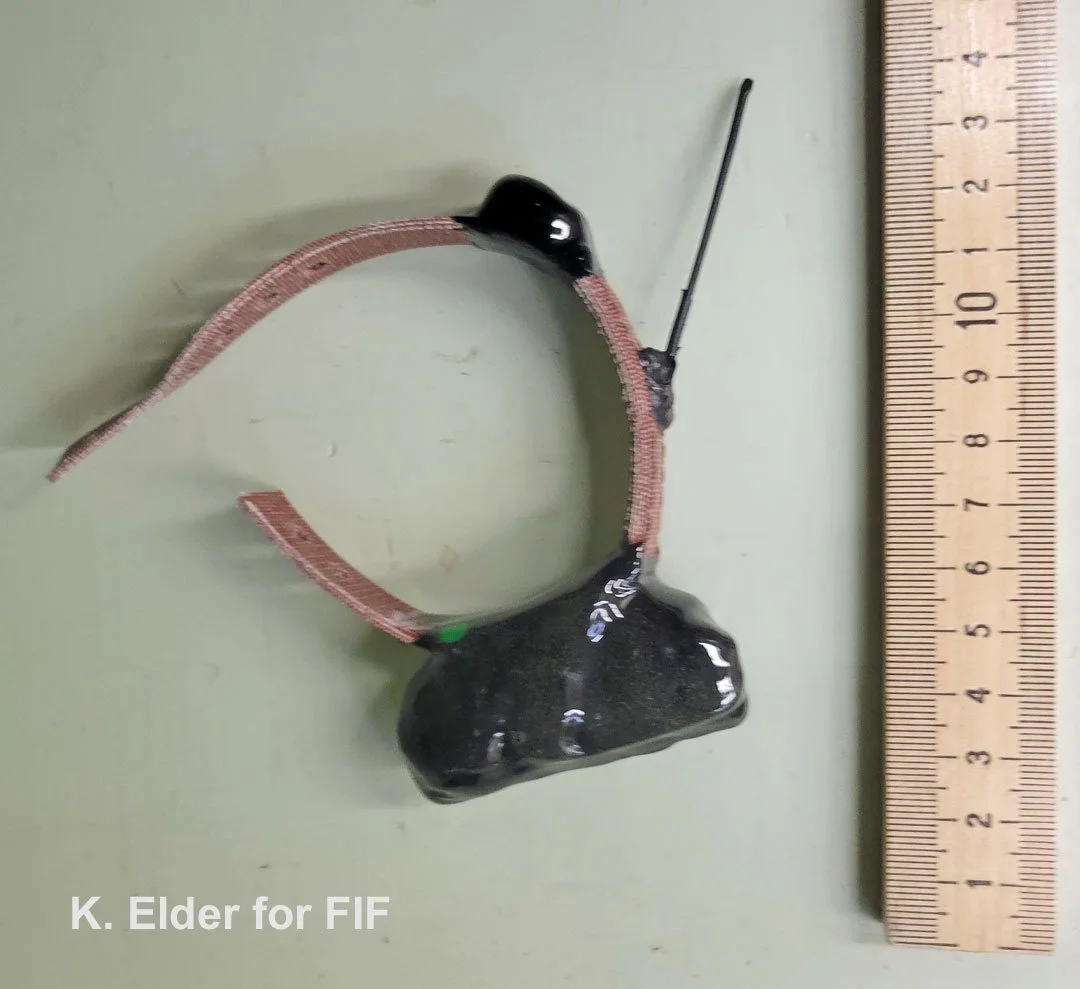
A GPS collared skunk. Photo by Calypso Gagorik

Spatial use patterns for island fox and island spotted skunk

Project Lead: Calypso Gagorik, Northern Arizona University

Question(s):
1. Do foxes and spotted skunks differ in their patterns of space use?
2. Do foxes and spotted skunks interact at skunk dens?
3. How can we enhance detection of spotted skunks?

​Methods: We used GPS and VHF (Very High Frequency) collars on Santa Cruz Island foxes and spotted skunks to look at how these two species traveled through different habitats and terrain on the island. We also used remote cameras to look for potential interactions between the two species at spotted skunk dens. Finally, we piloted scent stations (with a fish oil lure) as a method for increasing detection of spotted skunks at camera traps.

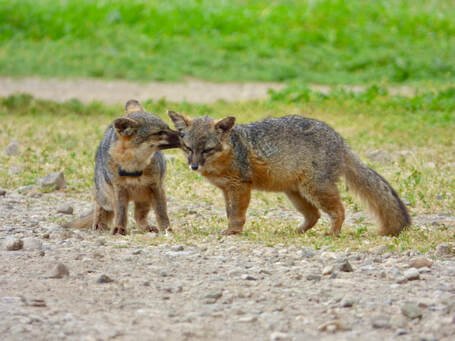
A GPS collared fox interacts with an uncollared fox. Photo by Calypso Gagorik

​Results:
1. We found that spotted skunks and foxes use the island very differently. Relative to foxes, spotted skunks maintained a larger home range over time, but only visited a fraction of that area over a shorter time period of weeks or months. In contrast, foxes tended to move through a large portion of their entire home range in a single week.
2. We collected footage of a fox disturbing a spotted skunk at a den site during the day, but no evidence of direct predation.
​3. We found that cameras placed in drainage bottoms may be better at detecting spotted skunks compare to cameras placed on ridgetops. We also found that foxes tended to monopolize scent stations, which may actually be a deterrent to spotted skunks.

​Impact and Next Steps: Knowing that a) home range size of spotted skunks is much larger than previously thought; b) cameras placed in drainage bottoms detect skunks more frequently than those on ridgetops; and c) scent stations may actually be counterproductive in areas of high fox density, will  help managers develop methods to accurately estimate island spotted skunk population sizes. 

Collaborators and Funding: Northern Arizona University, The Nature Conservancy

​StatusCompleted


Role of microhabitat and temporal activity in facilitating coexistence of endemic carnivores on the California Channel Islands

Project Lead: Ellie Bolas, University of California, Davis

Question(s): Island spotted skunks and island foxes are interference competitors, with foxes able to influence skunk numbers. Niche partitioning is expected in response to interference competition, however, skunks and foxes show overlap in macrohabitat use and general timing of daily activity. Hence, we asked:
1) Do skunks and foxes partition at the level of the microhabitat (fine-scale vegetation or environmental characteristics)?
2) Do skunks and foxes partition temporal activity within a 24-hr period?

Methods: We evaluated microhabitat associations of island spotted skunks and island foxes across both islands using detection data from live traps and wildlife cameras collected during 2015–2017 and measurements of 10 microhabitat characteristics. We analyzed fine-scale temporal activity using camera data from 2016 and 2017.

Results: On both islands, skunks had a positive response to ground-level cover provided by rugged topography or woody vegetation such as shrubs or trees, whereas foxes had a weak or negative response, suggesting partitioning of these microhabitat characteristics. Additionally, on both islands the peak in timing of skunk activity offset the peak for foxes, which implies that skunks use fine-scale adjustments in activity to avoid foxes.

Impact and Next Steps: Habitat degradation from grazing by exotic herbivores likely reduced habitat refuges for skunks to avoid interactions with foxes. However, we found that skunks use fine-scale adjustments in space and time to avoid foxes; as conservation efforts target habitat restoration, there is hope for improved prospects for coexistence of island spotted skunks and island foxes.

Collaborators and Funding: Channel Islands National Park; U.S. Geological Survey; The Nature Conservancy; The National Park Service Southern California Research Learning Center; University of California, Davis, Graduate Group in Ecology Student Endowment; Friends of the Island Fox; University of California, Davis Graduate Group in Ecology Fellowship; National Science Foundation Graduate Research Fellowship

Status: Completed

HEALTH AND DISEASE

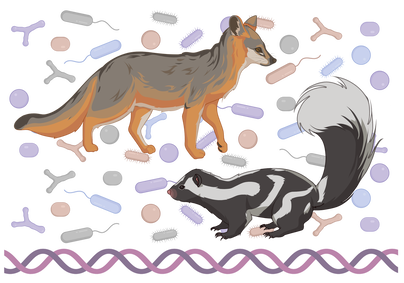
Figure created by Alexandra DeCandia with BioRender

Comparing the host-associated microbiome of island spotted skunks and island foxes

Project Lead:
 Alexandra DeCandia, Georgetown University & Smithsonian Conservation Biology Institute

QuestionsOrganisms are a lot more complicated than they initially appear. What may look like a skunk or fox is actually an entire ecosystem containing millions of microorganisms! Collectively termed the microbiome, these microorganisms function in all sorts of physiological processes, like digestion and immunity. However, little is known about their composition and function in wildlife populations, like island spotted skunks.

Methods: We formed a team of field biologists and laboratory researchers to examine the host-associated microbiome of island spotted skunks and island foxes. Together, we are collecting rectal swabs from skunks and foxes on Santa Cruz Island and Santa Rosa Island. We will subsequently sequence microbial DNA and identify which microbes inhabit the digestive tract of each host species.

Results:  We anticipate that gut microbiomes will differ between species and islands, due to behavioral and environmental differences between the animals sampled. However, we also anticipate that skunks and foxes will harbor microbes that are common to other mammalian carnivores sampled in North America. We will quantify the degree of similarity between each group of animals sampled, and link patterns of microbial diversity to ecological variables like diet.

Impact and Next Steps: This study will provide important baseline information on the host-associated microbiome in Santa Cruz and Santa Rosa island spotted skunks and island foxes. This will allow us to better understand how microbes impact their hosts in wildlife, and will enable us to monitor island spotted skunks and island foxes for the emergence of harmful microbes that may cause disease. 

Collaborators and Funding: National Park Service, The Nature Conservancy, Smithsonian Conservation Biology Institute, Princeton University

​Status: Ongoing


A tick sample collected in ethanol for pathogen testing. Photo by Jessica Sanchez

Parasite and pathogen spillover between rodents, island spotted skunks, and island foxes

Project LeadDr. Jory Brinkerhoff, University of Richmond

Question(s): How do mammalian species assemblages on different islands affect transmission of vector-borne pathogens like Bartonella and Borrelia (the bacteria that causes Lyme disease)?

Methods: We are collecting fleas, ticks, and blood from mice, foxes, and skunks, and testing for parasite-mediated spillover of bacterial pathogens.

Results: N/A

Impact and Next StepsThese analyses will shed light on the roles of these different species in maintaining pathogenic bacteria, and the flea and tick species that may be responsible for pathogen transmission. More broadly, this study will contribute to questions in disease ecology related to the effects of host and parasite community composition on the maintenance of zoonotic pathogens.

Collaborators and Funding: The Nature Conservancy, the National Parks Service, University of Wisconsin

​Status​: Ongoing

 GENETICS

Photo by Juliann Schamel

Using nuclear DNA to investigate the evolutionary history and divergence of island spotted skunks

Project Lead: 
Julia Owen, UC Davis

Question(s)
1. How distinct is each Island population compared to one another and to mainland spotted skunks?
2. What are the current and historical effective population sizes on each island?
3. How inbred are these populations and what is the genetic load of each population?

Methods:
We will perform whole genome sequencing on skunks from each island and from mainland California to estimate differentiation, inbreeding, and both current and historical population sizes. We are in the process of sequencing a small number of individuals to obtain preliminary genomic data.

Results: N/A

Impact and Next Steps: Considering the degree of divergence of island spotted skunks from one another and from mainland spotted skunks may support managing each island population as distinct evolutionarily significant units. Also, understanding the level of inbreeding and genetic load will help guide conservation efforts.

Collaborators and Funding: Ben Sacks, Cate Quinn, Ellie Bolas, Dirk Van Vuren, Merav Ben-David, Robert Dowler, Adam Ferguson, Molly McDonough, Claus Koepfli, and the National Park Service. Preliminary data funded by UC Davis Mammalian Ecology and Conservation Unit; seeking additional sources.

​Status: Ongoing


Pattern and timing of mitochondrial divergence of island spotted skunks on the California Channel Islands

Photo by Ellie Bolas

Project Leads: Ellie Bolas and Cate Quinn, University of California, Davis

Question(s): How and when did spotted skunks arrive on the California Channel Islands?

Methods: We sequenced the complete mitochondrial genomes of 55 skunks from Santa Cruz and Santa Rosa islands and the mainland (California and Arizona), then examined phylogenetic patterns and estimated isolation times among populations.

Results: A haplotype network analysis found a single maternal ancestor/colonization event on Santa Rosa Island. Additionally, there are no shared haplotypes between island populations, suggesting colonization and divergence of the two island populations happened in the same time frame. Divergence estimates from three analyses suggested skunk colonization occurred in the early Holocene, shortly before the split of the super-island Santarosae into Santa Cruz and Santa Rosa islands 9,400-9,700 years ago. Such a scenario of colonization could be explained either by rafting or one-time transport by Native Americans.

Impact and Next Steps: Island spotted skunks are currently considered a subspecies of western spotted skunk. However, our study demonstrates that Santa Cruz and Santa Rosa islands support an endemic lineage of spotted skunks with genetic diversity that is spatially restricted and has a distinct evolutionary history. Hence, re-evaluation of the taxonomic status of island spotted skunks may be warranted, along with management of each island population as distinct evolutionarily significant units. Future research analyzing the nuclear genome can further clarify the demographic histories of these populations and evaluate inbreeding depression.
 
Collaborators and funding: National Park Service; University of California, Davis Mammalian Ecology and Conservation Unit; National Park Service Southern California Research Learning Center; the University of California, Davis, Graduate Group in Ecology Student Endowment and Jastro Award; the University of California, Davis, Department of Wildlife, Fish, and Conservation Biology Howard Wildlife Management Fund; University of California, Davis Graduate Group in Ecology Fellowship; National Science Foundation Graduate Research Fellowship.

Status: Completed

 DIET AND RESOURCE USE

An island spotted skunk displays its whiskers, which are ripe with dietary information. Photo by Calypso Gagorik.

A decade of dietary competition between island spotted skunk and island fox on Santa Rosa Island

Project Lead: Juliann Schamel, National Park Service

Question(s):
1. How much does the seasonal diet of island spotted skunk and island fox overlap across the variety of island habitats?
2. Are island spotted skunks a prey item for island foxes?  Specifically, are island fox predating skunk kits and provisioning them to their own offspring?
3. How did the drastic fluctuation in species density of both skunks and foxes from 2010 to 2020, and the ongoing drought, impact intra- and inter-specific dietary competition?

Methods: This project is using stable isotope analysis of serially-sampled whiskers collected from island spotted skunks and island foxes on Santa Rosa Island from 2010 to 2020 to assess individual seasonal diet. Each whisker provides roughly 4-6 months of dietary information, accompanied by a wealth of demographic data.

Results: N/A

Impact and Next Steps: Stable isotope data will allow us to plot dietary niche overlap at the species level, as well as assess proportional diet at both the species and individual level from a prey space map we are creating using key documented prey items: fruit, insects, marine resources, and vertebrates (mice, lizards, and birds).

Collaborators and Funding: Dr. Seth Newsome, Center for Stable Isotopes, University of New Mexico; Dr. Brian Cypher, Endangered Species Recovery Program, California State University - Stanislaus; Western National Parks Association Research Grant; Satch Krantz Conservation Fund 

​Status: Ongoing - read more about this project on the Western National Parks Association website!

BLOG